Insider tips to avoid common rubbish removal mistakes North London
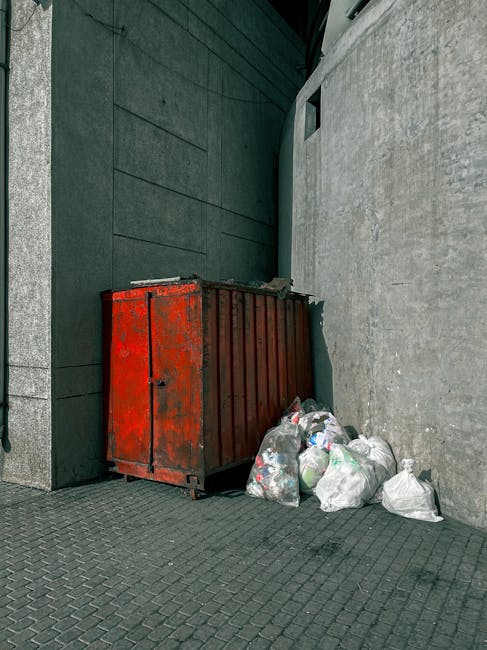
If you are planning a clear-out, a renovation, or just trying to get rid of a pile of old stuff that has quietly taken over the hallway, the small decisions matter more than people think. The most expensive rubbish removal mistakes are usually not dramatic ones. They are the ordinary, slightly annoying ones: underestimating the load, booking the wrong service, forgetting access restrictions, or assuming everything can be tipped in one go.
This guide gives you insider tips to avoid common rubbish removal mistakes North London, written for real life rather than a neat brochure. You will find practical advice on choosing the right clearance method, preparing waste properly, avoiding surprises on the day, and making sure your removal is handled with less stress and fewer hidden costs. Truth be told, a little planning saves a lot of grief.
Whether you are clearing a flat, a house, a garage, a garden, or builder's debris after a messy weekend project, the same basic rules apply: know what you have, know how it needs to be handled, and do not leave the details until the last minute.
- Why these mistakes matter in North London
- How rubbish removal typically works
- Key benefits of getting it right first time
- Who this advice is for
- Step-by-step guidance
- Expert tips for smoother removals
- Common mistakes to avoid
- Tools, resources and recommendations
- Law, compliance and best practice
- Options and comparison table
- Real-world example
- Practical checklist
- Conclusion
- Frequently asked questions
Why Insider tips to avoid common rubbish removal mistakes North London Matters
North London can make rubbish removal more awkward than people expect. Tight streets, permit-controlled parking, limited access in flats, shared entrances, and the usual "I thought it would fit down the lift" moment all complicate what sounds like a simple job. If you plan poorly, the removal itself can become slower, dearer, and a lot more frustrating.
The biggest problem is that rubbish removal is often treated as an afterthought. People clean first and think later. That is usually backwards. A good clearance starts with sorting, measuring, and deciding what really needs to leave. If you skip that step, you may book a service that is too small, or you may discover that a pile contains items needing separate handling. Nobody wants that realisation at 8:30 on a damp Tuesday morning with a van outside and nowhere to park.
It also matters because rubbish removal is not just about getting rid of clutter. It is about moving waste safely, legally, and efficiently. Mixed waste, bulky furniture, builder's debris, and garden cuttings all behave differently. Some items are easy to load; others are awkward, heavy, or not suitable for the same disposal route. The better you understand that upfront, the smoother the job tends to be.
Expert summary: The most reliable rubbish removal jobs in North London are rarely the fastest to organise in a rush. They are the ones where the waste is assessed, access is checked, and the service is matched to the actual load. A bit of planning saves time, money, and a fair amount of hassle.
How Insider tips to avoid common rubbish removal mistakes North London Works
At its simplest, rubbish removal follows a familiar pattern. You identify the waste, decide what should be removed, arrange a collection or clearance, and have the items taken away for sorting, transport, and disposal. The practical part is where most people slip up. They estimate by eye, forget item types, or assume access will be straightforward. It rarely is, not in a city like London.
A proper removal process usually starts with a walk-through. That might be in a house, a flat, a garage, an office, or a garden. You look at the type of waste, the volume, and the route out of the property. Can a van stop close by? Is there a lift? Are the stairs narrow? Is there a gate, low wall, or awkward corner? These are not minor details. They affect labour, time, and sometimes the whole method of collection.
Then comes separation. Household rubbish, furniture, green waste, construction waste, and office waste are not always treated the same way. If you are dealing with a wider clearance, you may need a broader service such as waste removal or rubbish removal, while specific jobs like a cluttered loft, a packed garage, or a single heavy item may be better matched to more focused clearance options.
One thing people often miss: the service is only half the job. The other half is preparation. Break down what you can, move items to a sensible pickup point, and isolate anything fragile, sharp, wet, or hazardous. That little bit of prep can make a big difference, and it makes the team's work cleaner and safer too.
Key Benefits and Practical Advantages
Getting rubbish removal right first time is not just about avoiding a mess. It improves the whole experience from start to finish. You save time because the team can work quickly. You save money because there are fewer surprises. You also reduce stress, which, to be fair, is sometimes the main thing people are really paying for.
Here are the practical benefits that stand out most:
- Fewer delays: Clear access and accurate waste estimates mean the job can proceed without last-minute reshuffling.
- Better pricing clarity: If the load is described properly, quotes tend to be more realistic and useful.
- Safer handling: Proper sorting reduces the chance of injury, broken items, or awkward lifting.
- Less waste confusion: You are less likely to mix items that should be handled separately.
- Cleaner finish: A well-planned collection leaves the space ready for the next step, whether that is decorating, moving, or simply breathing again.
There is also a quieter benefit that people only notice afterwards: a better sense of control. When the garage, garden, or spare room is finally cleared, the whole property feels lighter. You walk in, look around, and think, yes, that's better. Small relief, big difference.
If your project involves specific household items, it may help to look at targeted services such as furniture disposal for bulky pieces or sofa removal when one item is taking up more space than it reasonably should. A tailored approach often works better than one blunt, one-size-fits-all clearance.
Who This Is For and When It Makes Sense
This advice is for anyone who wants a cleaner, safer, and less stressful removal process. In practice, that includes homeowners, tenants, landlords, letting agents, office managers, builders, and anyone who has ended up with more waste than their bin day can sensibly handle. That last one is surprisingly common.
It makes sense if you are doing any of the following:
- Clearing a flat before or after a move
- Emptying a garage or shed that has become a dumping ground
- Getting rid of garden waste after pruning or landscaping
- Removing old furniture, appliances, or mixed household items
- Dealing with builders' rubble, timber, packaging, or renovation leftovers
- Cleaning an office, studio, or storage area
If you are handling a property clearance, it may also be worth checking dedicated services such as flat clearance, house clearance, home clearance, or garage clearance. These are useful when the job is broader than a single load and needs a more structured approach.
It also makes sense when time is tight. If a tenancy deadline, renovation schedule, or business move is looming, mistakes become more expensive. A badly planned clearance on the Friday before a Monday handover? That is a stressful weekend, no two ways about it.
Step-by-Step Guidance
The easiest way to avoid common rubbish removal mistakes is to work through the job in order. Do not start with the van. Start with the waste itself.
- Identify what needs removing. Separate general rubbish, reusable items, bulky furniture, garden waste, and any construction debris. Be honest here. "A few bits and pieces" can become three cubic metres in the blink of an eye.
- Check for special items. Some things need extra care or separate handling. Old paint tins, electrical items, sharp materials, and broken glass should not be bundled in casually.
- Estimate volume properly. Look at how much space the rubbish actually occupies. Try to think in loads, not just in bags. Bags can mislead you badly.
- Assess access. Measure doorways, hallways, stairwells, lifts, and garden gates if needed. Also check parking, loading distance, and whether there are any restrictions outside the property.
- Choose the most suitable service. A light household tidy-up is not the same as a builders' clearance. If you need demolition leftovers removed, builders waste handling may be the more sensible fit.
- Prepare the space. Move items into one accessible area where possible. Keep walkways clear. If you can safely flatten boxes or dismantle a table, do it before collection day.
- Confirm the practical details. Make sure everyone knows the access point, contact name, and any time constraints. Missed communication is a classic source of delay.
- Walk through before pickup. A final check helps catch forgotten items, fragile waste, or anything that should be kept aside.
That is the basic framework. Simple enough, but people skip it because they are busy, or because the pile looks smaller than it is. Then the collection turns into a juggling act. Better to do the boring bit first.
Expert Tips for Better Results
Here is where experience tends to save the day. The small, practical things usually matter more than grand plans.
1. Book the right size of clearance for the job
If you are not sure whether your waste is a light pickup or a fuller clearance, err on the side of caution and describe it properly. A cupboard, a mattress, and a couple of black bags sound tiny until they are all sitting in one corridor with no easy route out.
2. Keep mixed waste under control
Mixed waste can slow down removal because it is harder to sort. If possible, keep garden waste separate from household junk, and timber separate from general clutter. It is not about being precious. It is about making the load easier to handle.
3. Do not hide awkward items at the back
People sometimes tuck heavy or awkward items behind lighter waste, then forget to mention them. That is how a simple load becomes a slow one. Be upfront about what is there. It helps with planning and avoids those small, awkward pauses when someone says, "Ah, there's a bit more than expected."
4. Think about the finish, not just the pickup
If the clearance is part of a bigger job, imagine the next stage. Are you decorating, moving, repairing, or selling? Leave the space in a state that helps that next task, not one that needs a second cleanup.
5. Ask the right question before booking
A surprisingly useful question is: what should I sort before collection day? That single question often reveals access issues, loading concerns, or item types that need separate planning. It is a tiny thing, but it can save you from the usual last-minute scramble.
For businesses, the same logic applies in a slightly more structured way. Offices, shops, and storage rooms often need office clearance or business waste solutions that fit working hours and minimise disruption. You do not want a pile of old cabinets blocking the printer area at 9 a.m. on a Monday. Nobody does.
Common Mistakes to Avoid
This is the section that saves people the most money, if they actually read it before the mess is on the pavement.
| Mistake | Why it causes problems | Better approach |
|---|---|---|
| Guessing the load size | Leads to wrong vehicle or wrong quote | Estimate by volume and item type, not by eye alone |
| Mixing everything together | Makes sorting slower and less efficient | Separate waste where possible before pickup |
| Forgetting access issues | Causes delays, extra labour, or failed collection | Check stairs, lifts, parking, gates, and walking distance |
| Leaving it all until the day | Creates stress and reduces flexibility | Prepare early and do a final walk-through the day before |
| Not mentioning bulky or special items | Can change handling requirements | Be specific about furniture, appliances, and awkward waste |
Another common mistake is assuming every item can go with a standard household clearance. That is not always the case. For example, a packed shed may be better dealt with as a garden clearance if the waste is mostly green material, while a mixed pile of tools, timber, and broken storage units may need a broader waste removal solution.
There is also the "I'll sort that later" trap. Later usually means never, at least not before collection day. And yes, everyone does it once. Some of us twice. Fine, maybe more.
Tools, Resources and Recommendations
You do not need specialist equipment for a decent clearance, but a few simple tools make the job easier and safer:
- Heavy-duty bags or tubs: Helpful for smaller loose waste, rubble, or mixed clutter.
- Gloves: Basic, but worth it. Old screws, splintered wood, and broken plastic can bite back.
- Measuring tape: Useful for checking furniture, doorways, and access routes.
- Marker labels: Handy if you are separating keep, recycle, and remove piles.
- Box cutter or screwdriver: Good for safely dismantling flat-pack furniture or loose fixtures, provided it can be done safely.
For larger household items, a dedicated service can be the easier route. A worn-out armchair or bulky corner unit may fit neatly into furniture disposal, while a single sofa might be more straightforward through sofa removal. Matching the service to the item sounds obvious, but it is exactly where many people go wrong.
When the whole property needs attention, a wider service such as waste clearance or waste collection can keep the process neat and coordinated. That is especially useful if you are dealing with several different waste streams in one go.
Law, Compliance, Standards, or Best Practice
Rubbish removal is one of those tasks that looks simple until you remember there are legal and practical responsibilities involved. You do not need to become a compliance expert overnight, but you do need to be sensible. Waste should be handled by a suitable service, and the person producing the waste still has a duty to be careful about where it goes and how it is described.
In everyday terms, best practice means this:
- Do not leave waste in a public place unless collection arrangements clearly allow it.
- Keep hazardous or potentially hazardous materials separate and flagged early.
- Be honest about the type and amount of waste so it can be handled appropriately.
- Use providers that understand the practical and legal side of waste handling.
- Keep records or paperwork if the job is commercial or linked to a business premises.
If you are managing an office or workplace, the same principle applies with even more care. Commercial waste often needs clearer processes than domestic clearances, especially when confidential documents, electronics, or bulky office furniture are involved. A tidy back room is nice. A compliant one is better.
One useful habit is to ask yourself whether the waste is ordinary, bulky, mixed, reusable, or potentially sensitive. That simple filter reduces mistakes and keeps the clearance aligned with normal UK waste-handling expectations. Nothing flashy, just good practice.
Options, Methods, or Comparison Table
People usually have three main ways to deal with rubbish removal: do it themselves, organise a partial collection, or book a full clearance service. Each has strengths, and each has a point where it stops making sense.
| Option | Best for | Limitations | Typical value |
|---|---|---|---|
| DIY removal | Small loads, short distances, low-risk waste | Time-consuming, physically demanding, disposal logistics | Useful if the waste is minimal and access is easy |
| Rubbish collection | Moderate amounts of waste with straightforward access | May not suit heavily mixed or awkward items | Good balance of convenience and control |
| Full waste removal or clearance | Larger, mixed, bulky, or time-sensitive jobs | Needs better preparation and more detail upfront | Best when you want speed, order, and less manual effort |
If you are unsure which method fits, ask yourself a simple question: do I want to transport and sort this myself, or do I want it handled properly by someone who does this day in, day out? There is no prize for suffering through a job that should have been delegated.
In some cases, a narrower service may suit the job better than a general one. For example, a storage space full of mixed clutter may need garage clearance, while a household transition may be more aligned with house clearance. The better the match, the better the outcome usually is.
Case Study or Real-World Example
A fairly typical North London scenario goes like this. A family in a terraced property decides to clear a rear room, the garage, and a patch of the garden before renovation work starts. At first glance, it looks like one straightforward job. But once they begin sorting, they find old shelving, broken chairs, pruning waste, a broken table, packaging from a recent delivery, and a few bags of items that should have been recycled months ago.
Originally, they planned a quick collection for "a few bits". That would have been a mistake. Instead, they grouped the waste into three piles: bulky furniture, mixed general rubbish, and garden waste. They measured the access route through the side gate, checked where a vehicle could stop, and moved everything into one open area. That alone saved time.
The result was smoother because the job was matched to the actual waste rather than the first rough guess. It also reduced the awkwardness of loading because the team knew what to expect. A small detail, but a big difference on the day.
That is the pattern you see again and again. The jobs that go best are not the ones with the fanciest plan. They are the ones with the clearest information. Simple, really.
Practical Checklist
Use this quick checklist before your next rubbish removal. It is not fancy, but it works.
- Have I identified every item that needs removing?
- Have I separated garden waste, furniture, mixed rubbish, and builders' debris where possible?
- Have I checked whether any items need special handling?
- Have I measured doors, stairwells, gates, and any tight access points?
- Have I checked parking or loading space near the property?
- Have I chosen the right service for the actual waste type?
- Have I cleared a route so items can be carried out safely?
- Have I told everyone involved when the collection is happening?
- Have I kept anything I want to reuse, donate, or recycle separate from the waste?
- Have I done a final walk-through so nothing important gets taken by mistake?
If you can tick most of those off, you are in good shape. If not, take ten minutes and sort the loose ends before collection day. It always pays off.
Get a free quote today and see how much you can save.
Conclusion
The best insider tips to avoid common rubbish removal mistakes North London come down to one idea: treat the job as a process, not just a pickup. Know what you have, prepare it properly, and match the service to the reality of the waste and the property. That is how you avoid delays, surprise costs, and unnecessary stress.
Whether you are clearing a flat, a garden, a garage, an office, or a mixed household pile, the same principles apply. Be specific. Be realistic. Leave enough time. And, if in doubt, ask the practical question before the problem becomes visible on the kerb. That bit alone can save the day.
And honestly, once the clutter is gone and the space feels open again, you will wonder why you put it off for so long. A clean start has a way of calming everything down.
Frequently Asked Questions
What is the most common rubbish removal mistake people make?
The most common mistake is underestimating how much waste there actually is. A few bags, a broken chair, and some old boxes often turn into a much bigger load once they are gathered together. That can affect pricing, timing, and the type of service you need.
How do I know whether I need rubbish removal or a full clearance?
If you only have a small, simple load, rubbish removal may be enough. If the job includes several rooms, bulky furniture, mixed items, or a lot of sorting, a full clearance service is often the better fit. The more varied the waste, the more helpful a broader service usually is.
Should I sort waste before collection day?
Yes, whenever possible. Sorting waste into sensible groups makes the job quicker and reduces the chance of awkward delays. It also helps with items that should not be mixed together, such as garden waste, furniture, and builder's debris.
What access details should I check before booking?
Check doorways, stairwells, lifts, hallways, gates, parking space, and the distance from the property to the vehicle. In North London, tight access and limited parking can change how a job is handled, so it is worth checking everything properly in advance.
Can I include furniture with other rubbish?
Sometimes yes, but it depends on the type of service and the amount of waste. Large furniture is often better handled as part of a more specific item removal or furniture disposal plan. If the furniture is bulky, awkward, or numerous, mention it clearly before booking.
What should I do with old garden waste?
Keep garden waste separate if possible, especially when it is mostly soil, branches, grass cuttings, or pruned material. If the garden is being cleared as part of a larger tidy-up, a dedicated garden clearance service may be a better fit than mixing everything into a general pile.
Do I need to worry about builders' rubble and renovation waste?
Yes. Builders' debris tends to be heavier, dustier, and more awkward than ordinary household rubbish. It is better to identify it early so the right type of removal can be arranged. A builders waste service is usually more appropriate than a standard household collection.
How far in advance should I plan a rubbish removal job?
As early as you reasonably can, especially if the job is linked to a move, renovation, tenancy end, or business handover. Even a short delay in planning can make access, sorting, and timing more stressful than necessary.
What if I have mixed waste from several rooms?
That is very common. Group the waste by type where possible and make a note of anything bulky, fragile, or unusual. Mixed waste can still be removed, but the clearer your description, the smoother the process tends to be.
Is there anything I should never leave for collection without checking first?
Yes. Anything potentially hazardous, sharp, leaking, or requiring special handling should be checked first. If you are unsure, do not guess. Set it aside and make it clear when you arrange the job. That little bit of caution prevents a lot of avoidable trouble.
What is the easiest way to avoid hidden costs?
Be accurate about what needs removing, how much there is, and how easy it is to access. Hidden costs usually appear when the work is more involved than the original description suggested. Clear information upfront is the simplest protection.
Why do North London properties often need more planning?
Because many properties have limited parking, tighter access, shared entrances, or narrow staircases. These things do not make rubbish removal impossible, but they do make planning more important. A few extra minutes of preparation can save a lot of hassle on the day.
Where can I find more about the company behind these services?
If you want to learn more about the team and how they work, you can read the about us page. If you are ready to discuss a job directly, use the site's contact options. It is often the quickest way to get practical guidance for your specific situation.