Camden Council Fines for Illegal Rubbish Dumping North London: What Residents and Businesses Need to Know
If you have searched for Camden Council fines for illegal rubbish dumping North London, chances are you are dealing with a stressful situation: a pile of waste outside a property, a notice from the council, or the worry that rubbish left in the wrong place could come back to bite you. To be fair, this is one of those topics people only tend to look up when the problem is already visible, smelly, and awkward.
This guide breaks down what illegal dumping means in Camden, why fines happen, how enforcement usually works, and what you can do to avoid the mess in the first place. It also covers practical disposal choices for homes, landlords, contractors, and businesses across North London, including when a professional clearance service may be the calmer, safer option.
By the end, you should have a clear picture of the risks, the likely next steps, and the best way to handle waste without turning a simple clearance job into an expensive headache.
Table of Contents
- Why Camden Council fines for illegal rubbish dumping North London Matters
- How Camden Council fines for illegal rubbish dumping North London Works
- Key Benefits and Practical Advantages
- Who This Is For and When It Makes Sense
- Step-by-Step Guidance
- Expert Tips for Better Results
- Common Mistakes to Avoid
- Tools, Resources and Recommendations
- Law, Compliance, Standards, or Best Practice
- Options, Methods, or Comparison Table
- Case Study or Real-World Example
- Practical Checklist
- Conclusion
- Frequently Asked Questions
Why Camden Council fines for illegal rubbish dumping North London Matters
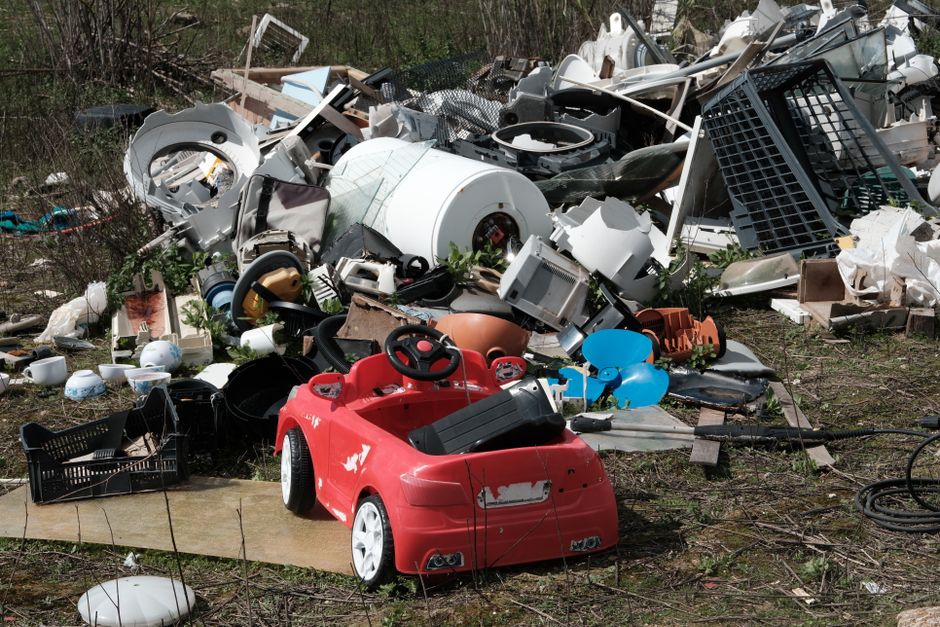
Illegal dumping is more than an eyesore. In Camden, it can trigger enforcement action, clean-up costs, and in some cases a formal fine or other penalty. The real issue is not just the waste itself, but the knock-on effect: blocked pavements, pest attraction, bad smells, unsafe walkways, and extra pressure on neighbours, landlords, and local teams.
North London properties often sit close together, with shared entrances, rear access lanes, front gardens, and narrow pavements. That makes even a small pile of rubbish look bigger than it is. One bin bag left beside a wall on a damp Monday morning can become a full-blown fly-tip story by Tuesday. You know the sort of thing. Rain, a few gulls, maybe a broken chair nearby, and suddenly it looks like nobody is in control.
For residents, the biggest risk is assuming waste can be left "just for a bit." For businesses, the danger is leaving commercial rubbish outside too early or failing to arrange proper collection. For landlords and managing agents, the concern is tenant waste, end-of-tenancy clearances, and shared responsibility where the source of waste is not immediately obvious.
That is why this topic matters: it helps you avoid avoidable cost, protect your reputation, and keep your property compliant. If you are planning a larger clearance, it can also help to look at structured services such as rubbish removal, waste clearance, or waste collection rather than hoping the problem will sort itself out. It usually does not.
Expert summary: The safest approach is simple: keep waste traceable, keep it contained, and keep it moving. If rubbish is sitting out in public space without a clear, lawful plan, the risk of a Camden enforcement response goes up fast.
How Camden Council fines for illegal rubbish dumping North London Works
In broad terms, councils investigate waste that appears to have been dumped unlawfully on public land or left in a way that creates a nuisance or obstruction. The process can vary depending on the circumstances, but the pattern is usually similar: someone reports the issue, the council assesses it, and an officer decides whether enforcement is appropriate.
What counts as illegal dumping? Usually it means waste left somewhere it should not be, without permission or lawful arrangement. That can include bin bags on the pavement, bulky furniture left by a wall, rubble placed beside a skip without proper control, or commercial waste left out in the wrong place and time. It can also include waste handed to someone who is not properly authorised to carry or dispose of it.
The phrase "fines" can cover different outcomes. Sometimes there may be a fixed penalty notice. In other cases, the council may investigate more deeply, especially if the waste is large, repeated, hazardous, or linked to a business. The exact outcome depends on evidence, the location, and whether there are signs of negligence or deliberate fly-tipping.
Evidence matters. Council officers may use photos, labels, addresses, CCTV if available, or other clues left in the waste. A takeaway receipt in a rubbish bag, a shipping label on a box, or paperwork from a builder's skip load can all create a trail. Bit inconvenient, that.
For householders, the key question is whether the waste was handed to the right people and disposed of responsibly. For businesses, the focus is usually tighter: proper storage, correct collection arrangements, and a clear record of where waste goes. If your waste is mixed, bulky, or from a trade job, the safest route is often a dedicated service such as builders waste clearance or business waste collection.
What usually triggers enforcement?
- Waste left on a street, pavement, verge, or communal area without permission
- Repeated rubbish left out after collection has passed
- Fly-tipped furniture, appliances, bags, or trade waste
- Improper disposal by a resident, tenant, contractor, or business
- Evidence linking waste back to a property or operator
Why a small mistake can become a bigger issue
One of the tricky parts is that people often underestimate how visible waste becomes in a dense urban area. A single sofa or mattress can block a path. A few bin bags can attract more rubbish. Then neighbours complain, the council gets involved, and the original problem starts to look like a pattern rather than a one-off lapse.
Key Benefits and Practical Advantages
A proper waste disposal plan does more than avoid fines. It saves time, reduces stress, and keeps your property looking cared for. That sounds obvious, but in real life it matters a lot, especially when you are juggling work, family, or a move.
- Lower enforcement risk: Less chance of Camden treating the waste as illegal dumping.
- Cleaner access: Hallways, front gardens, driveways, and pavements stay usable.
- Better neighbour relations: Nobody enjoys a smell drifting from a shared bin area.
- Faster turnaround: Waste is removed in one go rather than in frustrating batches.
- Better traceability: Professional collection creates a clearer disposal trail.
- Less physical strain: Bulky lifting and repeated trips are handled for you.
There is also a reputational benefit that people often overlook. If you are a landlord, managing agent, shop owner, or office manager, clean and lawful waste handling sends the right message. It says the place is run properly. That counts for a lot, even if nobody says it out loud.
For households dealing with a move, bereavement, spring clean, or sudden tenancy change, using a structured service like home clearance, house clearance, or flat clearance can prevent waste from sitting around long enough to create complaints.
Who This Is For and When It Makes Sense
This topic is relevant to far more people than you might think. Illegal dumping fines are not only a concern for obvious fly-tippers. They matter for anyone generating waste in Camden or elsewhere in North London and wanting to avoid mistakes.
Homeowners and tenants
If you are clearing a loft, a garage, a spare room, or an old sofa that has finally given up, you need a lawful disposal route. Leaving bulky items outside for "later" can look like dumping, especially in busy streets or shared blocks.
Landlords and letting agents
End-of-tenancy clearances are a common flashpoint. One tenant moves out, another arrives, and the timing gets tight. That is when waste can be left behind in common spaces. A planned service like garage clearance or furniture disposal can stop those leftovers becoming a council issue.
Builders and contractors
Construction waste is often the most visible and the most problematic. Bricks, plaster, timber, packaging, and broken fixtures do not disappear on their own. They need proper removal. If they are left in the wrong place, the council may view it as fly-tipping, even where the intention was simply to "come back for it later."
Small businesses and offices
Shops, salons, offices, cafes, and workshops all generate regular waste. If collection is inconsistent, rubbish can spill into shared bins or public areas. That is where office clearance and regular waste disposal become practical, not optional.
When it makes sense to act now
- You have bulky rubbish ready to go but no legal disposal plan
- You are moving out, renovating, or clearing inherited items
- You are responsible for a site with mixed waste types
- You have received a warning, complaint, or notice about waste
- You are trying to avoid repeat problems in a communal area
Step-by-Step Guidance
If you want to stay on the right side of Camden Council rules, a simple process is usually best. No drama. Just a bit of organisation and common sense.
- Identify the waste type. Separate household rubbish, bulky items, garden waste, trade waste, and anything potentially hazardous.
- Check where it is stored. Keep waste on private property or in a lawful collection point, not on the pavement or beside the road.
- Decide whether it needs one-off or repeated collection. A one-off clear-out is different from ongoing business waste.
- Use an appropriate removal method. For example, mixed rubbish may suit rubbish clearance, while larger recurring volumes may suit waste collection.
- Keep proof of what you arranged. Save receipts, booking details, and any notes about collection timing.
- Remove waste promptly. The longer it sits, the higher the risk of complaints, pests, and enforcement attention.
- Follow up if anything goes wrong. If a collection is missed, sort it quickly rather than leaving items out overnight.
A small but important point: keep an eye on shared access areas. A bin store that looked fine at 9 a.m. can become a messy pinch point by evening, especially after a windy day or a busy weekend. London does that. It has a way of turning "temporary" into "somebody else's problem."
Expert Tips for Better Results
Over time, the best waste jobs are the ones that are planned before the rubbish starts to pile up. That sounds neat, and sometimes it is. Other times it is a bit messy. Still, the same principles hold.
- Sort before collection day: Separate reusable items, bulky waste, and general rubbish where possible.
- Do not mix trades waste with household waste: It complicates disposal and can create compliance issues.
- Keep items inside until collection: This reduces the chance of complaints or mistaken dumping allegations.
- Choose the right service size: A small job can be handled efficiently, while large clearances need more capacity.
- Think about access: Narrow stairs, basement storage, and no-lift buildings slow everything down.
- Be careful with sofas and mattresses: They are awkward, dusty, and easy to leave sitting too long. If that is your situation, sofa removal can be a sensible fix.
If you are dealing with a garden overrun by clippings, old pots, fencing offcuts, and forgotten sacks, a dedicated garden clearance can be much cleaner than trying to manage it piecemeal. That is especially true after wet weather, when everything is heavier and a bit grimy. You can feel the difference straight away.
Practical insight: The best protection against a fine is not just "disposing of waste," but being able to show that the waste was handled responsibly, collected properly, and never abandoned in public view.
Common Mistakes to Avoid
Most problems happen because someone was trying to be quick, not careless. That is worth saying. People rarely wake up planning to cause a waste issue. The trouble is the shortcuts.
- Leaving rubbish out too early: It can be treated as illegal dumping if it is placed in the wrong spot.
- Assuming someone else will move it: Shared homes and blocks are especially bad for this.
- Using the wrong carrier: If waste is handed to an unsuitable operator, the original owner may still face questions.
- Ignoring bulky or awkward items: Sofas, wardrobes, and broken desks tend to linger if not booked in properly.
- Mixing different waste streams: Builders waste, garden waste, and household waste each need sensible handling.
- Delaying action after a complaint: A fast response usually looks much better than a wait-and-see approach.
One of the more annoying mistakes is the "I'll sort it at the weekend" habit. Fine in theory. Not so fine when two wet days pass, the bag splits, and there is now a trail of cardboard, coffee grounds, and who knows what else. Not a great look, honestly.
Tools, Resources and Recommendations
You do not need a complicated system to manage waste well. A few practical habits make a big difference.
Useful things to have
- Strong sacks or containers for separating rubbish
- Labels or notes for item categories
- Photos of waste before and after collection
- Booking records and collection confirmations
- Access notes for stairs, gates, basements, or parking restrictions
Recommended service types by situation
For mixed household clutter, a general waste removal or rubbish collection approach may be the most practical. For a bigger property clean, consider home clearance or house clearance. For office clean-outs, office clearance tends to be the better fit because desks, screens, filing, and general waste need more careful handling.
And if you are weighing up how to move waste efficiently, it is worth remembering that waste collection and waste removal are not just search phrases. They describe a real operational difference: scheduled collection versus one-off clearance. Picking the right one saves time and a fair bit of frustration.
Law, Compliance, Standards, or Best Practice
Where illegal dumping and council fines are concerned, the safest mindset is simple: treat waste as something that must be traceable, contained, and disposed of lawfully. In the UK, waste producers are generally expected to take care over who handles their rubbish and where it ends up. That matters for households, but it matters even more for businesses and contractors.
Best practice usually includes:
- Using a lawful disposal route for all waste
- Keeping waste on private land until it is collected, unless a local arrangement allows otherwise
- Separating general waste from trade or construction waste where sensible
- Recording what was removed and when
- Responding quickly to any complaint or notice
For commercial premises, waste management should feel like part of normal operations, not an afterthought. If your business creates regular rubbish, a routine service such as business waste can be more reliable than ad hoc disposal. It is the kind of detail that quietly prevents bigger issues later.
There is also a practical compliance lesson here: if waste is visible in a public area, especially in a borough like Camden where foot traffic is heavy, it is easier for that waste to be noticed, reported, and investigated. So the best practice is not only legal compliance, but speed and tidiness. Keep things tight, keep them documented, and keep them moving.
Options, Methods, or Comparison Table
Different situations need different waste solutions. The right method depends on volume, item type, urgency, and whether the waste is domestic or commercial. Here is a plain-English comparison.
| Option | Best for | Strengths | Limitations |
|---|---|---|---|
| DIY disposal | Very small loads and items you can legally transport | Low direct cost, flexible timing | Time-consuming, lifting risk, disposal rules can be confusing |
| One-off rubbish clearance | Mixed household clutter, bulky waste, quick clean-ups | Fast, straightforward, less hassle | Not ideal for regular recurring waste streams |
| Scheduled waste collection | Homes or businesses with regular output | Predictable, tidy, easier to manage long term | Needs planning and the right service level |
| Specialist clearance | Builders waste, office clear-outs, large property jobs | Better suited to awkward or larger volumes | May require more preparation and access coordination |
For many readers, the real choice is between "do it ourselves and hope it works" and "book a proper removal." In practice, the second option often costs less overall once you factor in time, transport, lifting, repeat trips, and the risk of a council complaint.
Case Study or Real-World Example
Here is a realistic example from a North London-style situation. A landlord is preparing a two-bedroom flat for new tenants. The outgoing tenants leave behind a broken wardrobe, a mattress, a few bagged items, and an old armchair. The hallway is shared, the building has thin walls, and neighbours are already sensitive about clutter by the entrance.
If those items are left outside the property "until someone can get them," the pile can quickly become visible from the street. A neighbour complains. Now the issue is not just the rubbish itself, but the impression that waste has been abandoned in a public or communal space.
The better route is to sort the items, book a suitable clearance, and remove them before they become part of the streetscape. In this example, a combination of flat clearance and furniture disposal would make a lot more sense than waiting for a bin day miracle that never comes.
What changed the outcome? Timing, mainly. The waste was handled before it became a visible nuisance. No heroics, just decent planning. That is usually how these things are won.
Practical Checklist
Use this checklist before you leave any rubbish out or arrange collection.
- Have I identified the type of waste correctly?
- Is the waste staying on private property until collection?
- Have I chosen the right disposal method for the load size?
- Do I know who is collecting it and when?
- Have I separated bulky, trade, garden, and general waste where needed?
- Do I have booking details, receipts, or photos for my records?
- Is there any risk of the waste blocking pavements, entrances, or shared areas?
- Have I arranged help for heavy or awkward items?
- Am I responding quickly enough to avoid complaints or escalation?
- Would a proper clearance service be simpler and safer?
If you answered "no" to a few of those, that is your sign to slow down and sort it properly. Not glamorous, but it works.
Conclusion
Camden Council fines for illegal rubbish dumping North London are best understood as a warning about poor waste handling, not just a punishment for obvious fly-tipping. If waste is left in the wrong place, too long, or with the wrong operator, the risk rises quickly. That is true for households, landlords, builders, and businesses.
The good news is that the fix is usually straightforward. Identify the waste, keep it secure, arrange lawful removal, and move it promptly. In busy parts of North London, a tidy and traceable approach is more than a convenience. It is protection against stress, complaints, and avoidable cost.
If your rubbish is already starting to pile up, it is worth acting before it becomes one of those jobs everyone keeps walking past. You will feel better once it is gone, simple as that.
Get a free quote today and see how much you can save.
Frequently Asked Questions
What counts as illegal rubbish dumping in Camden?
It generally means leaving waste in a place where it should not be, such as a pavement, verge, alley, or communal area, without lawful permission or proper arrangement.
Can Camden Council fine me if my rubbish was left outside my property?
Yes, depending on the circumstances. If waste is placed in a public or communal area and appears abandoned, the council may investigate and issue a penalty where appropriate.
Does one bin bag left on the street count as dumping?
It can, especially if it is left in the wrong place or for too long. Even a small amount of waste can trigger complaints if it is visible and untidy.
What if the waste was left by a tenant or contractor?
That can complicate things, but it does not automatically remove responsibility. It is wise to keep records of who arranged the waste and how it was meant to be handled.
How can I avoid getting fined for bulky items like sofas or mattresses?
Keep them on private property until collection and use a proper disposal route. Services such as sofa removal or furniture disposal are often the cleanest option.
Is business waste treated more strictly than household rubbish?
Often, yes. Businesses are usually expected to manage waste more systematically, with clearer storage, collection, and disposal arrangements.
What should I do if rubbish has already been dumped near my property?
Document it with photos, avoid moving it if it is not yours, and report it through the appropriate local route. If you are responsible for the waste, arrange removal quickly.
Can I leave waste beside a full bin if collection day is still a few days away?
That is risky. Waste left beside bins can be treated as abandoned or poorly managed, especially if it spreads, smells, or attracts more rubbish.
What is the safest option for builders waste in North London?
A specialist builders waste service is usually the safest route because construction debris often needs separate handling from normal household rubbish.
How do I know if a waste collection service is suitable for my job?
Match the service to the waste type, volume, and access conditions. If the job is bulky, mixed, or time-sensitive, a general collection may not be enough.
Will removing rubbish quickly reduce the chance of a fine?
It can help a lot. Prompt removal reduces visibility, complaints, and the impression that waste has been abandoned.
What is the best first step if I am unsure what to do?
Start by identifying the waste type and keeping it contained. Then choose a lawful disposal option that fits the load, whether that is rubbish clearance, waste collection, or a more specialist clearance service.